16th ASIP Conference 2026

Asian Society for Innovation and Policy Conference

Universitas Trisakti
18-20 November, 2026

About ASIP

A regional society for innovation, policy, and research exchange. The Asian Society for Innovation and Policy connects scholars, policy leaders, industry partners, and institutions working across Asia's innovation landscape.

Conference Theme

Strengthening Competitiveness Through Regional Collaboration on Digital Transformation & Innovation

Subthemes
  • Regional Innovation Systems in Asia
  • Excellence in Higher Education
  • Digital Transformation
  • Innovation Ecosystem
  • Sustainability & Resilience
  • Startup & Technology Commercialization
  • Governance & Policy
Important Dates
Registration Opens
27 June 2026
Abstract Submission Deadline
15 October 2026
Early Bird Registration Deadline
15 September 2026
Regular Registration Deadline
11 November 2026
Full Paper Submission Deadline
11 November 2026
Registration Closes
12 November 2026
Conference Days
19–20 November 2026
Important Notes:
Abstract submission must precede formal registration.
Abstract submission is mandatory for all presenters.
The issued 'Abstract ID' is required to proceed with registration.
Registration requires prior payment, transaction proof, the Abstract ID, and the paper title.
Full manuscript submission is optional, required only for award consideration, and excluded from ASIP proceedings.
Abstracts and full papers must be submitted independently via their respective portals.

Workshop: General and Tutorial Session for Scientometrics

Bibliometrics for Research and Policy: From Measurement to Insight

19 November 2026

2:30–5:00 PM

Venue: Universitas Trisakti, Jakarta

Participation will be limited to 20 participants.

Registration will be through the official conference website. Details will be provided therein.

Bibliometrics has primarily evolved from being used as a method to evaluate research into a powerful analytical tool and methodological framework for conducting research.

This shift has expanded bibliometrics from a tool for measuring research to a means of uncovering the structure, dynamics, and emerging directions of a field.

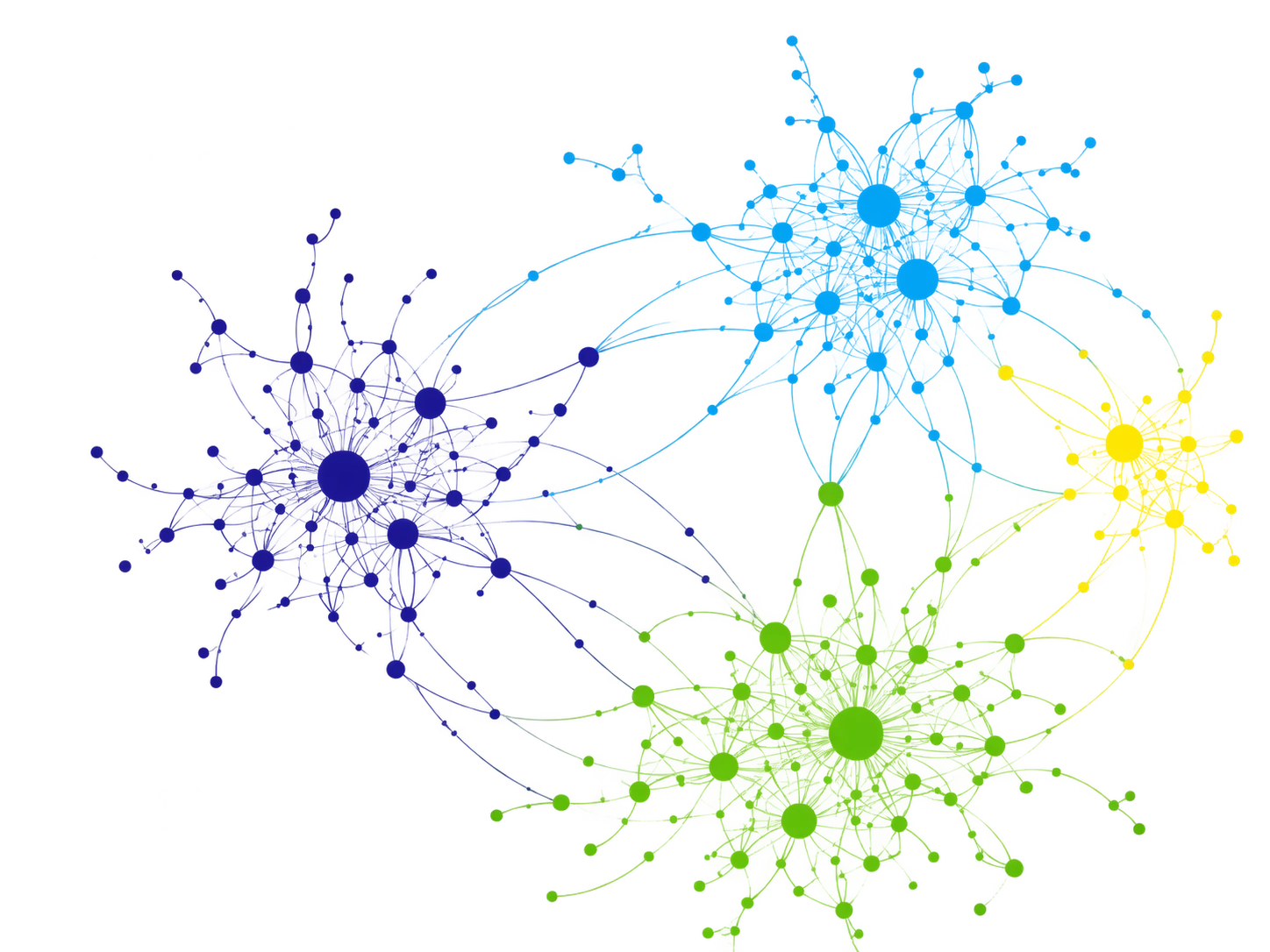
Yet, its potential as a research tool and methodological approach is still not fully understood or utilised. This tutorial addresses that gap. It introduces participants to the use of bibliometric data not only for measuring research, but also for identifying patterns, relationships, structures, and emerging directions in a field. Particular attention will be given to how bibliometric analysis can be complemented by social network analysis to understand collaboration and knowledge relationships.

The tutorial will help participants to understand and uncover for example:

  • Which topics are growing, which are plateauing, and which are being abandoned?
  • Which papers are the intellectual anchors of the field and the ones every subsequent study builds on?
  • Which themes cluster together, and which are isolated from each other?
  • Where are the gaps, including questions the field has not yet asked or has addressed only in narrow contexts?
  • Who is producing this knowledge, and from where?
  • What geographies and disciplines are missing?
  • How are researchers and institutions connected, and what does the structure of these networks tell us about collaboration and knowledge production?
  • How can bibliometric analysis tools such as NodeXL be used in practice?
  • What academic and practical implications can be drawn from the analysis of illustrative datasets?
  • How can the results of such analyses be developed into academic publications?

By the end of the tutorial, participants will be able to:

  1. Search, retrieve, and export bibliometric data

  2. Clean and prepare raw bibliometric data for analysis

  3. Conduct a systematic and well-documented literature review

  4. Translate a literature map into a conceptual framework and a justified research methodology

  5. Construct and interpret a co-authorship or collaboration network using social network analysis

  6. Identify at least one practical application of these methods to their own research or policy work

Tutorial Faculty:

The tutorial is designed for a mixed audience: early-career and established researchers across disciplines, and policy practitioners.

Prof. Sujit Bhattacharya

Prof. Sujit Bhattacharya

Amrita University · Editor-in-Chief, Journal of Scientometric Research · Former Chief Scientist, CSIR-NIScPR

Prof. Ki-Seok Kwon

Prof. Ki-Seok Kwon

Department of Public Policy, Hanbat National University, South Korea

Keynote Speakers

Leading regional expertise on digital transformation and collaborative innovation.

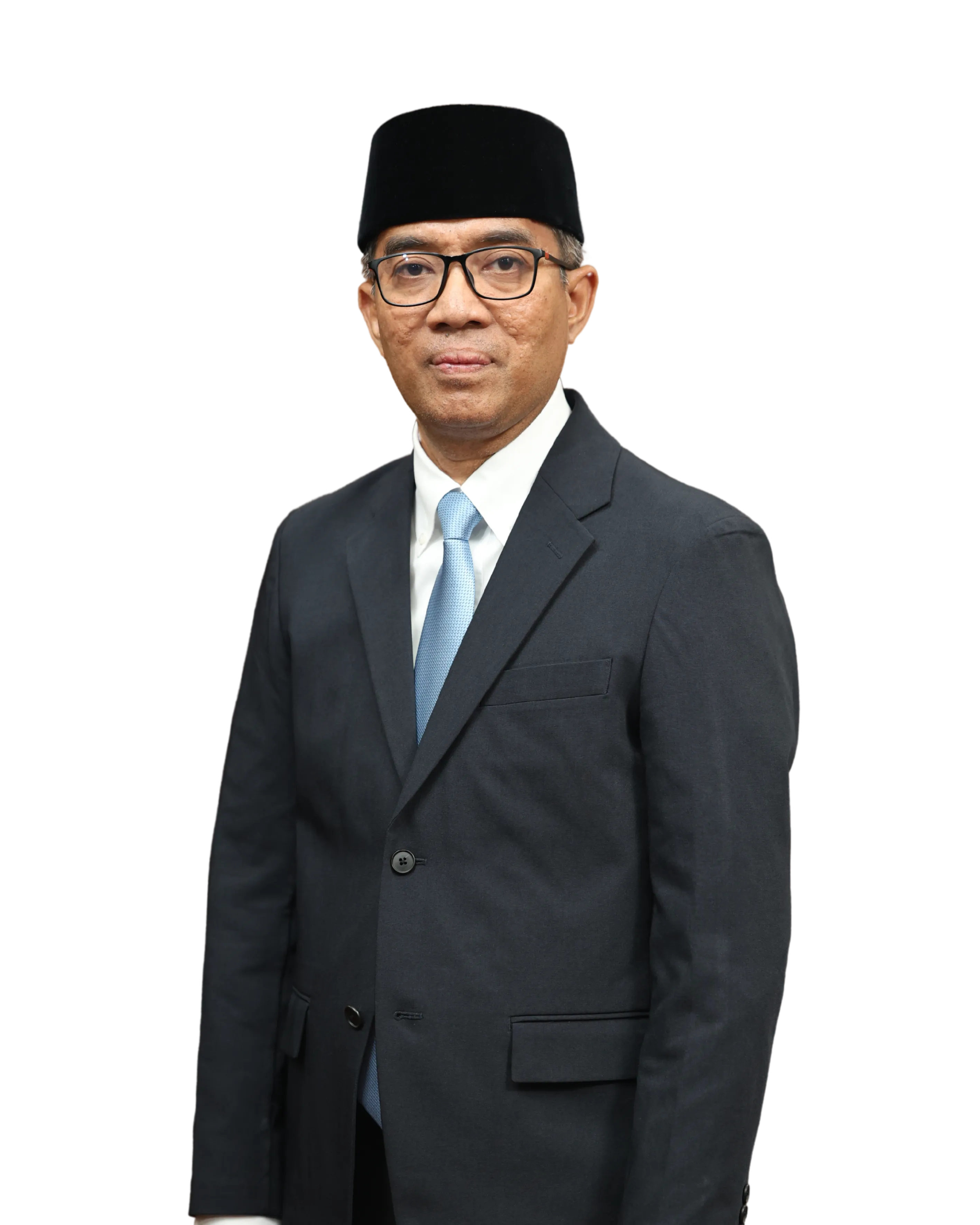
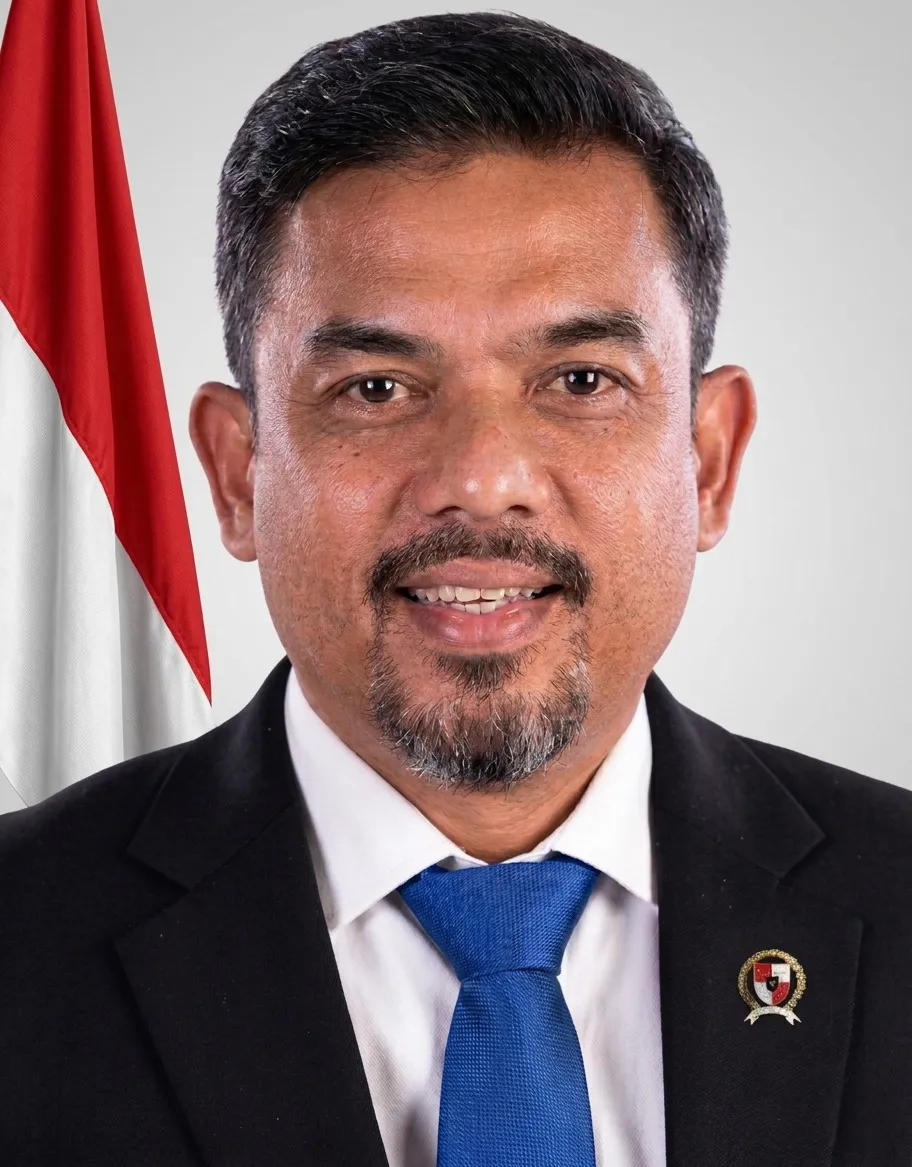
Maman Abdurrahman, S.T.
TBC
Opening RemarkIndonesia

Maman Abdurrahman, S.T.

Minister of Micro, Small, and Medium Enterprises, Republic of Indonesia

Prof. Patarapong Intarakumnerd
Speech Title"From Market Formation to Capability Upgrading"
Keynote SpeakerJapan

Prof. Patarapong Intarakumnerd

National Graduate Institute for Policy Studies (GRIPS)

Prof. Ki-Seok Kwon, Ph.D.
Speech Title"Evolution and recent trends of University-Industry Collaboration in South Korea"
Keynote SpeakerSouth Korea

Prof. Ki-Seok Kwon, Ph.D.

Hanbat National University

Sara Ferrer Olivella
Special RemarksIndonesia

Sara Ferrer Olivella

Resident Representative UNDP Indonesia

Industry Panel Session

Operational intelligence, risk governance, and clean energy transition.

Bridging academic research with global industrial execution. Leading executives discuss integrated governance frameworks, renewable energy deployment, and public-private innovation.


Looking for the comprehensive program schedule? Explore time slots, parallel sessions, and keynote talks.

ASIP CommitteeVIEW ALL →
Dr. Young Joo Ko

Dr. Young Joo Ko

Korea
Prof. Ki-Seok Kwon, Ph.D.

Prof. Ki-Seok Kwon, Ph.D.

Korea
Prof. Angelina Seow Voon Yee, Ph.D.

Prof. Angelina Seow Voon Yee, Ph.D.

Malaysia
Local CommitteeVIEW ALL →
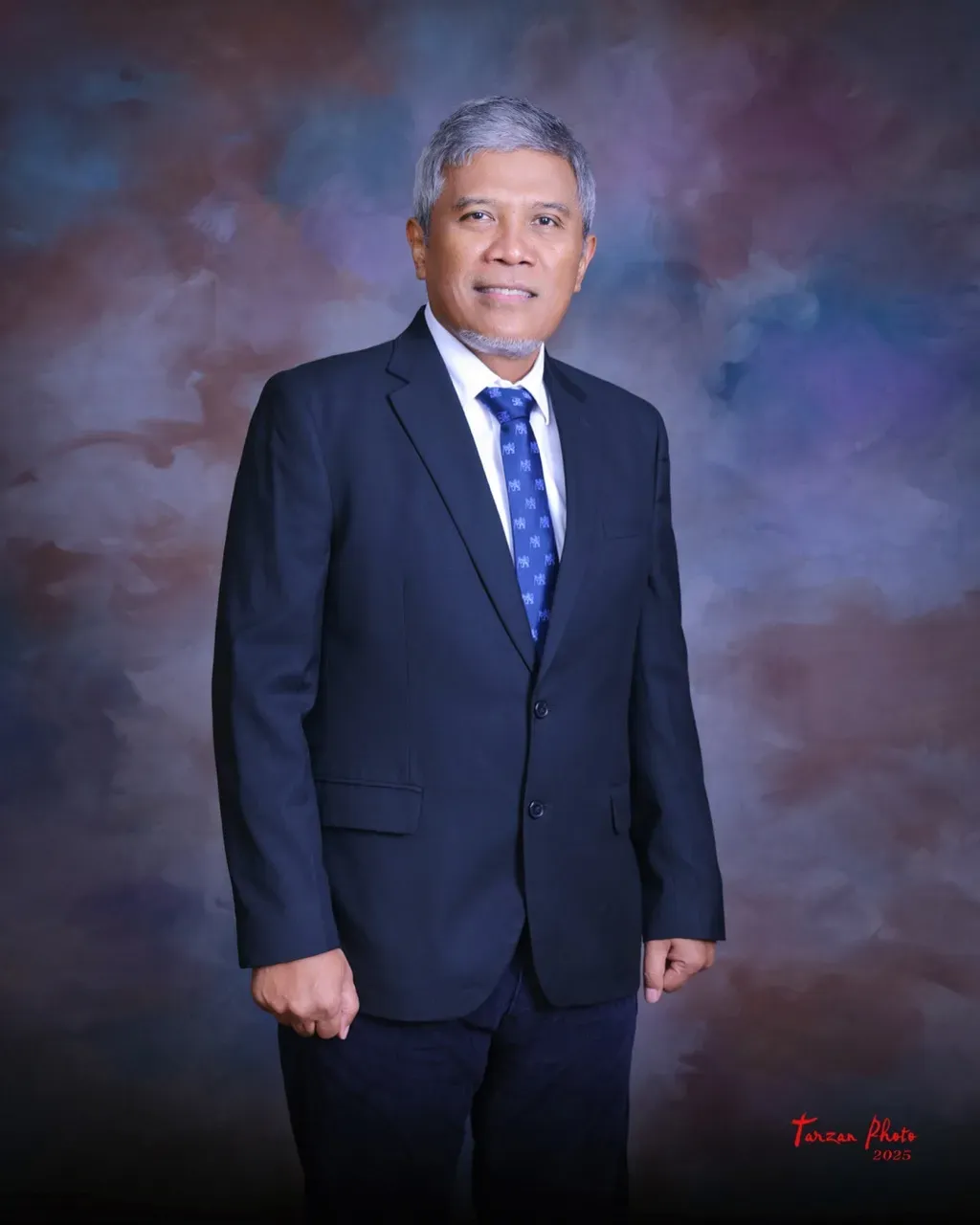
Dr. Ir. Muhammad Burhannudinnur, M.Sc., IPU., ASEAN Eng

Dr. Ir. Muhammad Burhannudinnur, M.Sc., IPU., ASEAN Eng

Indonesia
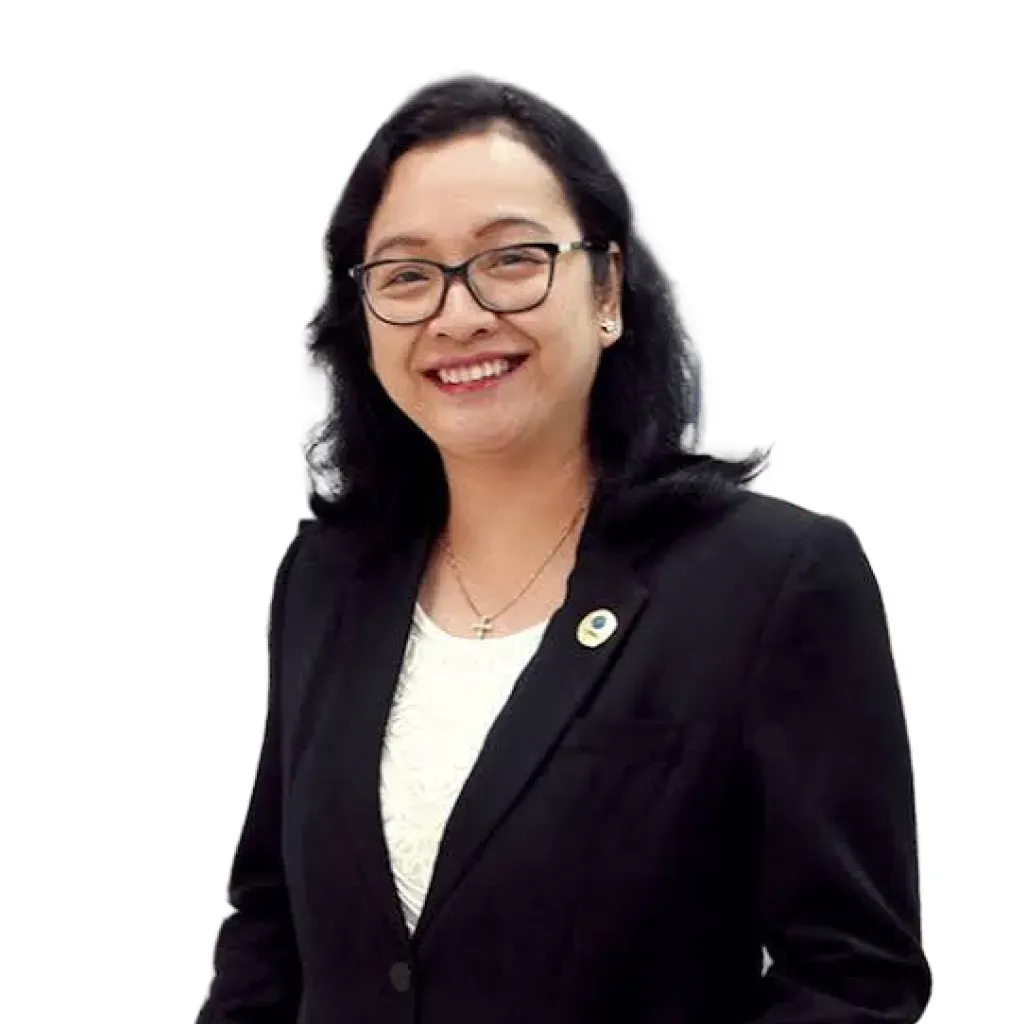
Prof. Dr. Ir. Astri Rinanti, S.Si., MT., IPM., ASEAN Eng

Prof. Dr. Ir. Astri Rinanti, S.Si., MT., IPM., ASEAN Eng

Indonesia
Prof. Dr. Florentina Kurniasari T., S.Sos., M.B.A.

Prof. Dr. Florentina Kurniasari T., S.Sos., M.B.A.

Indonesia

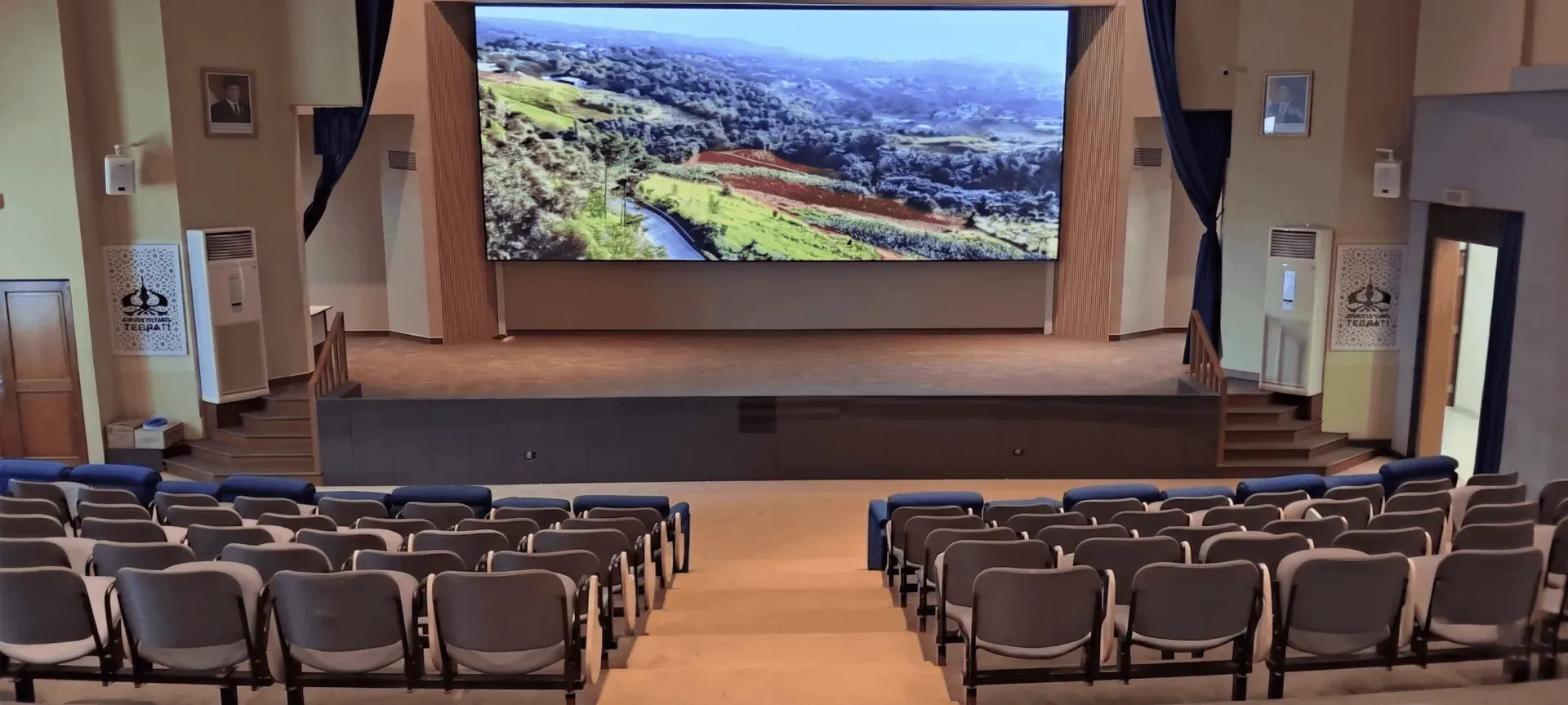
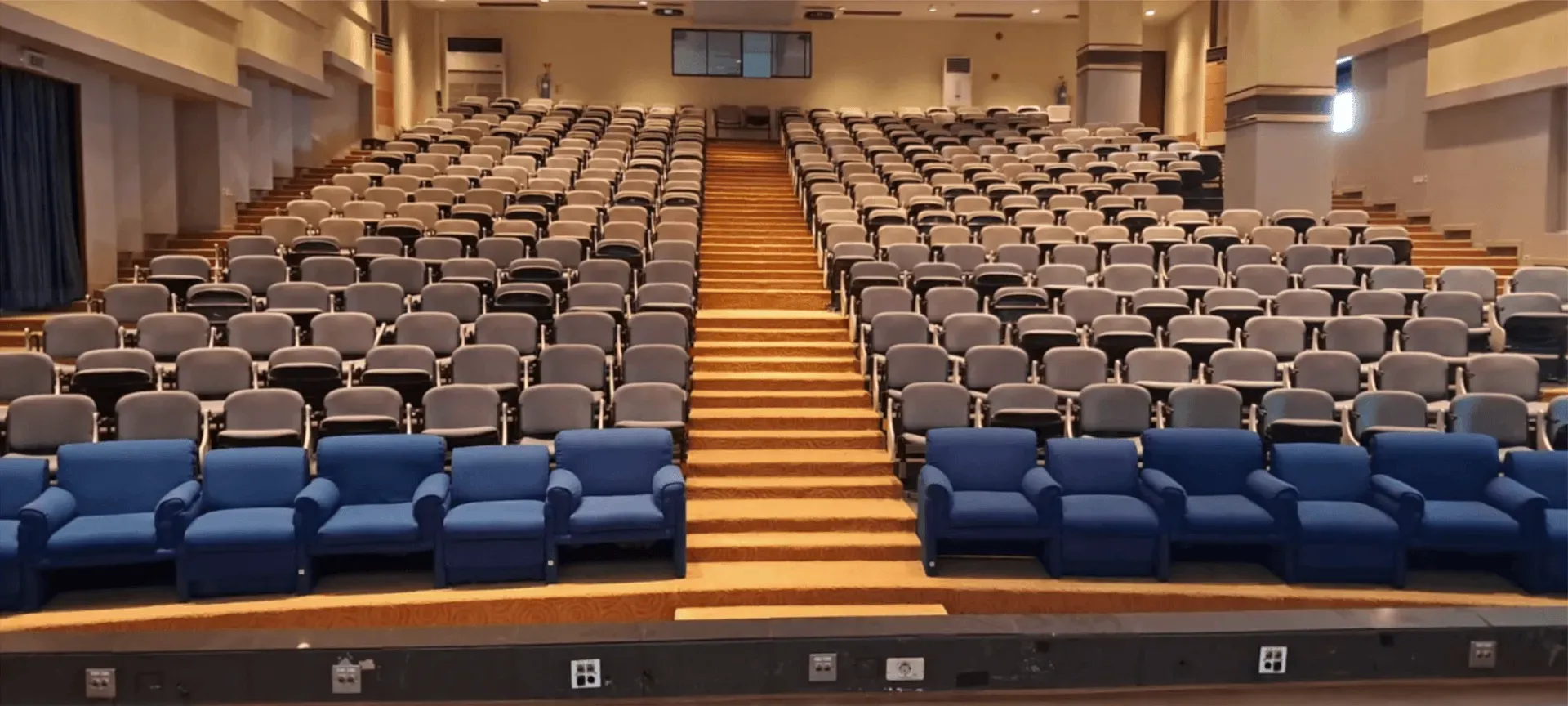
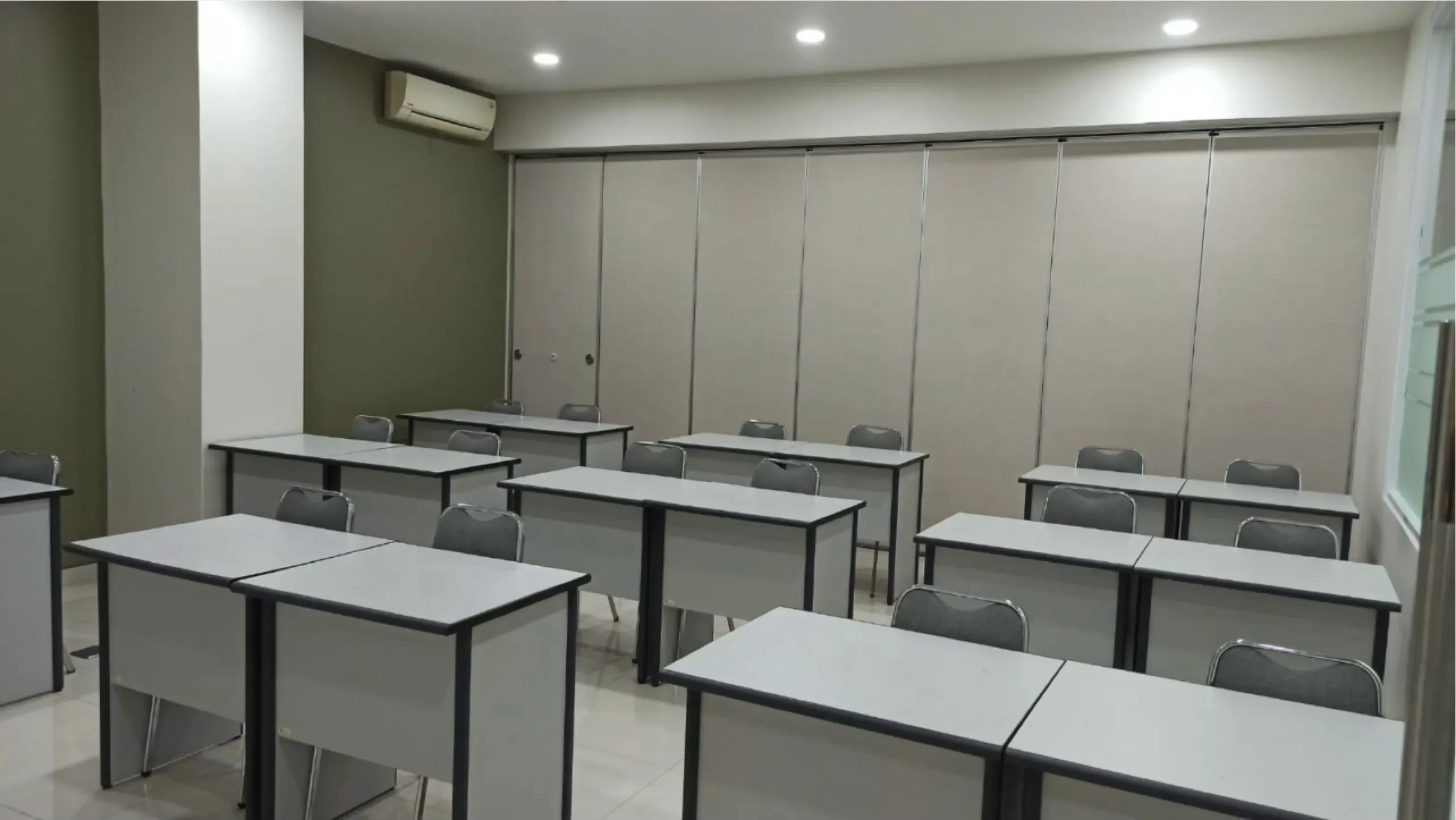
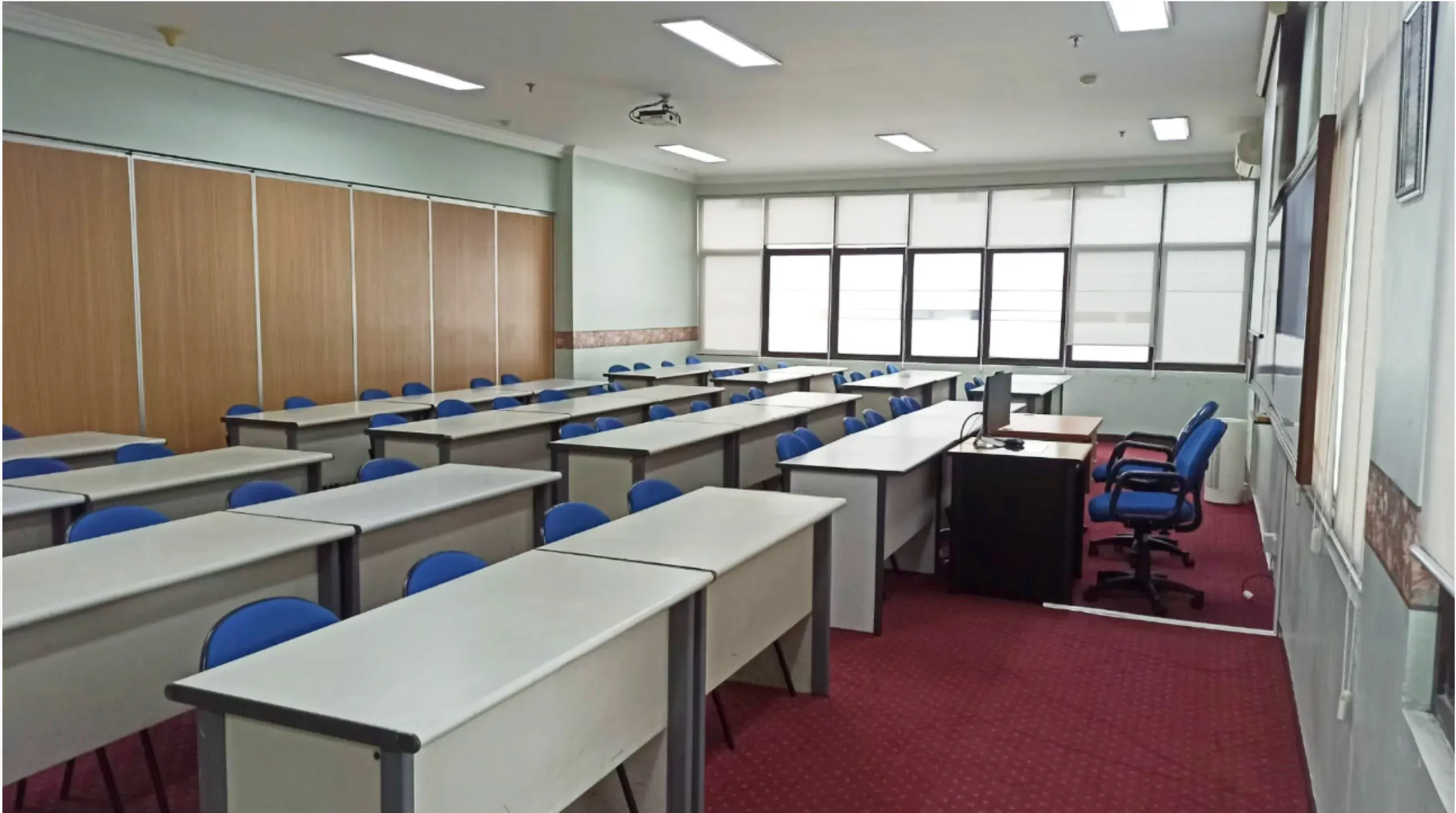
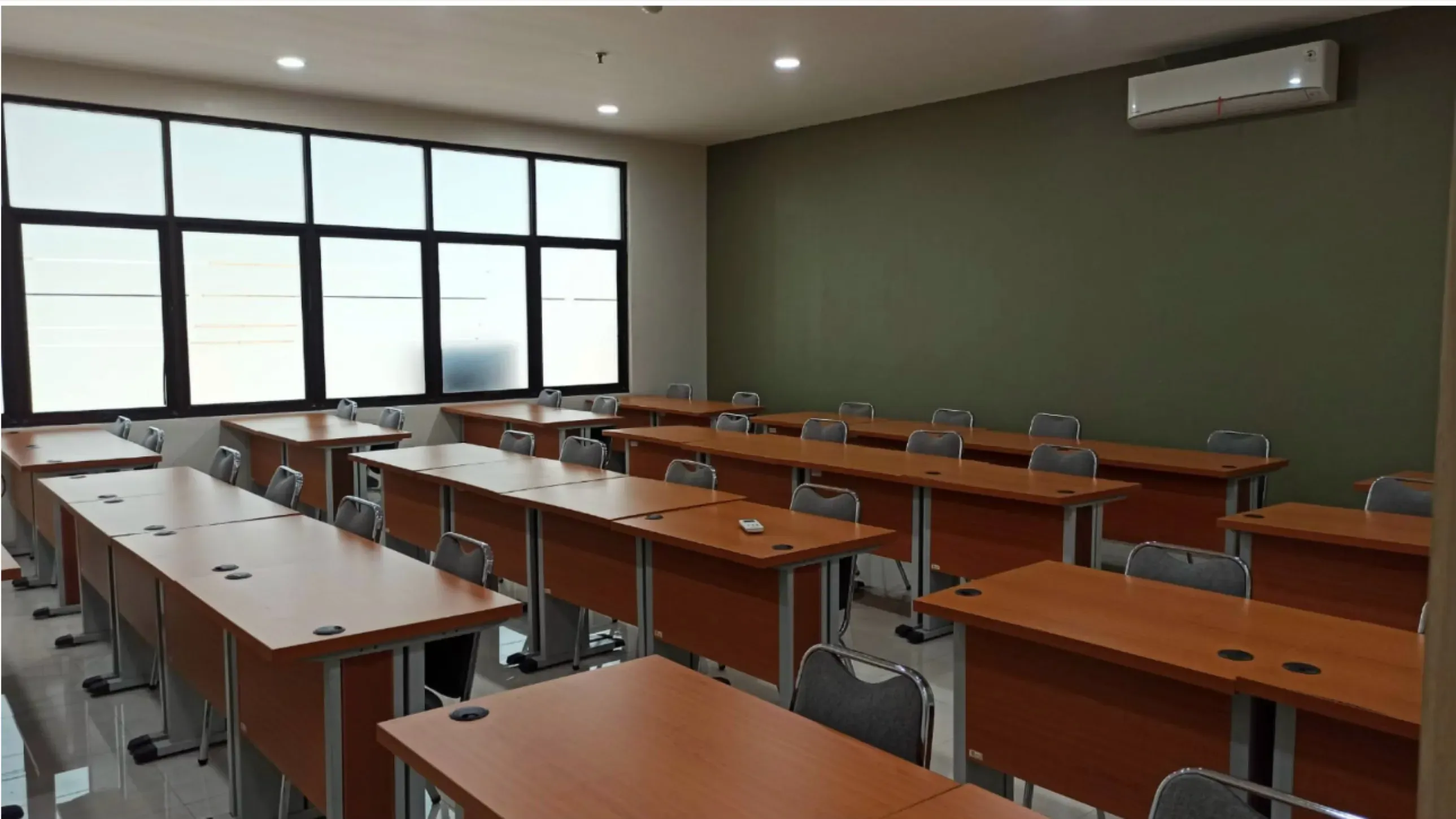
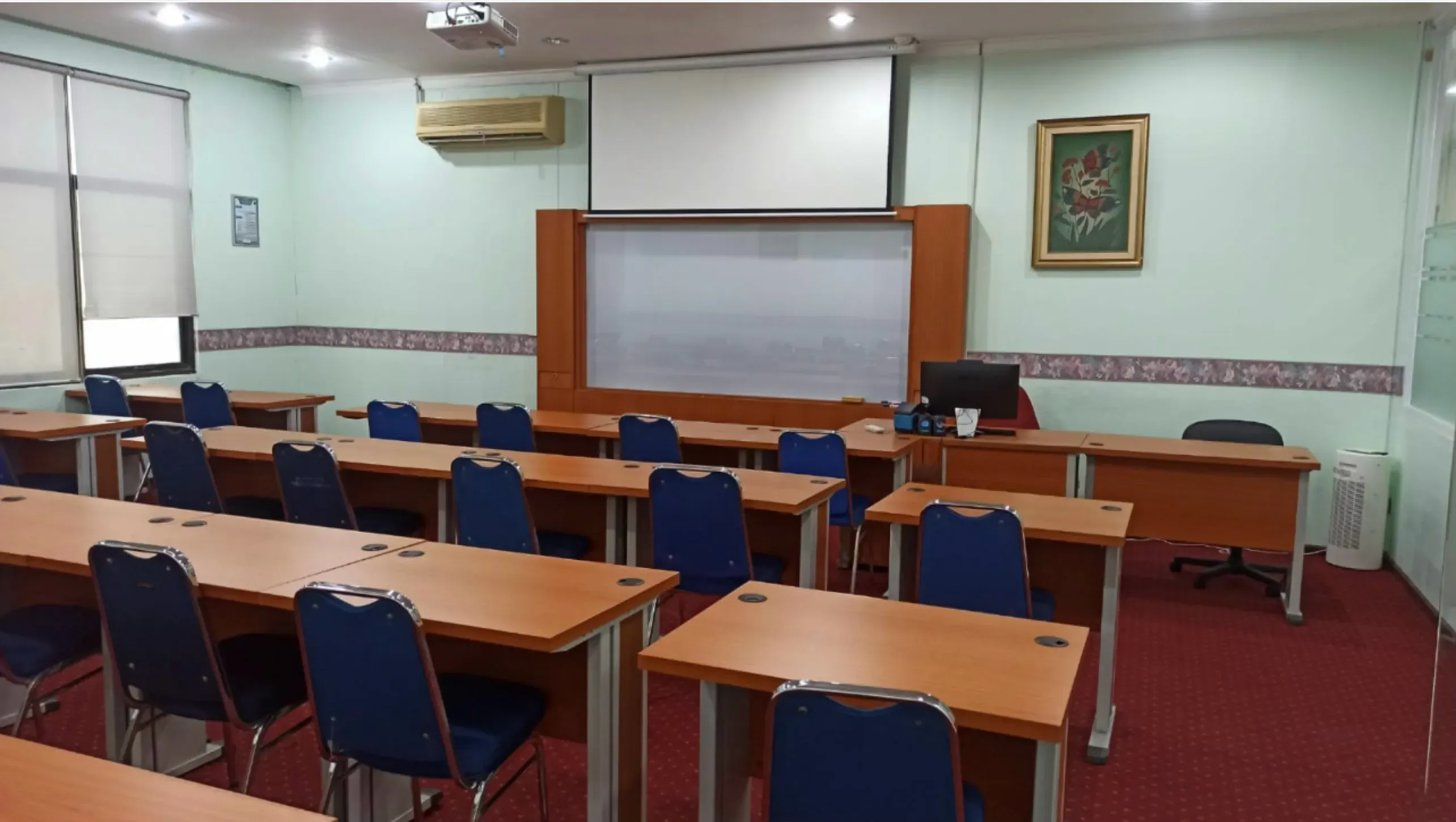
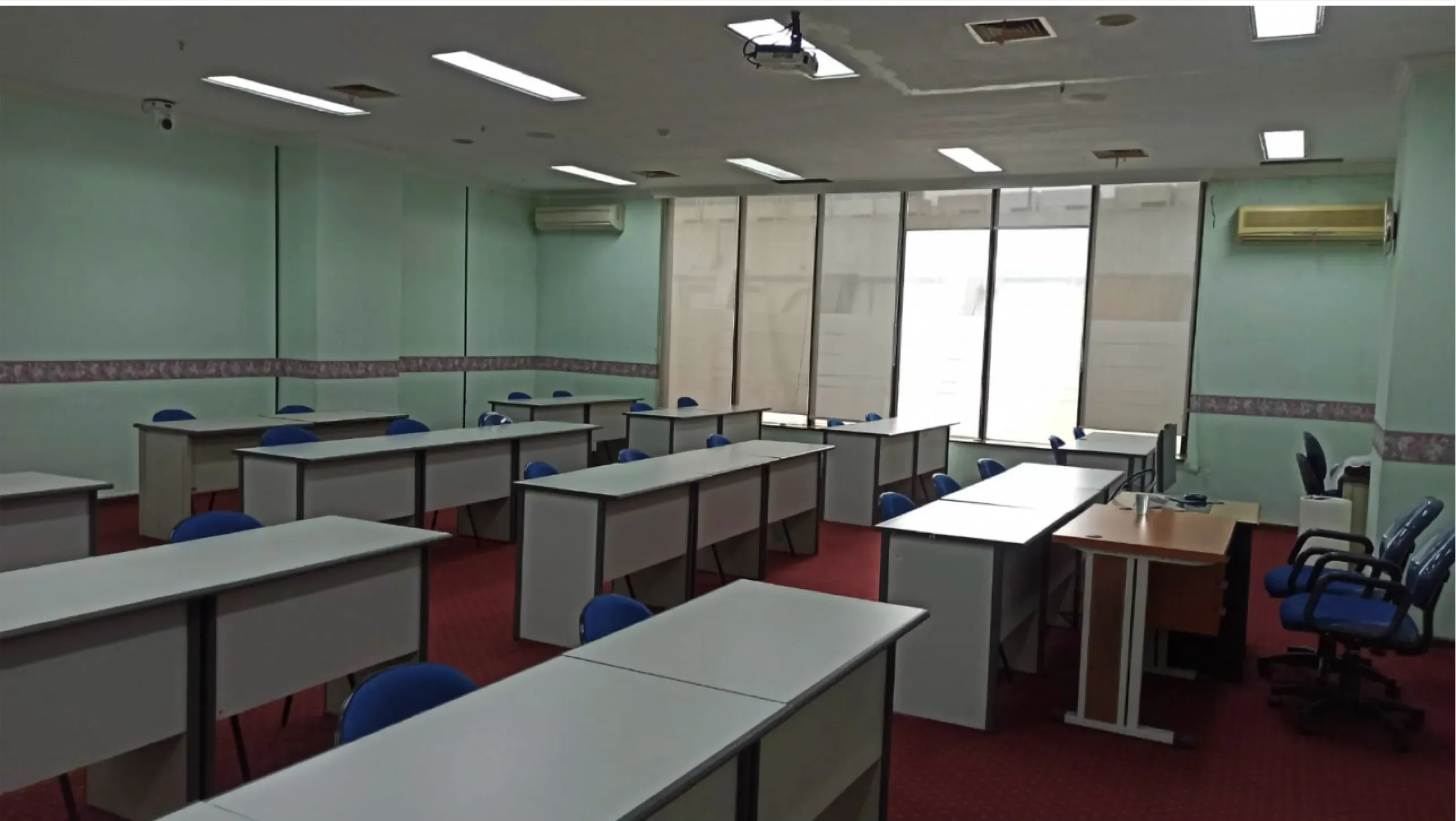
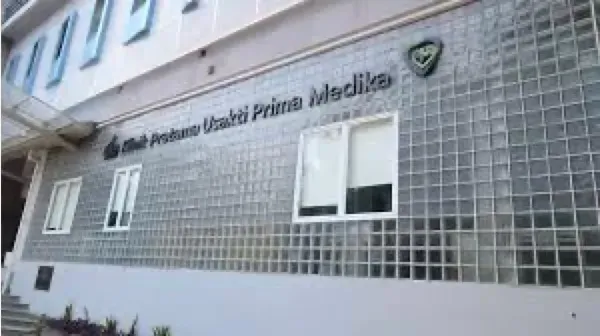
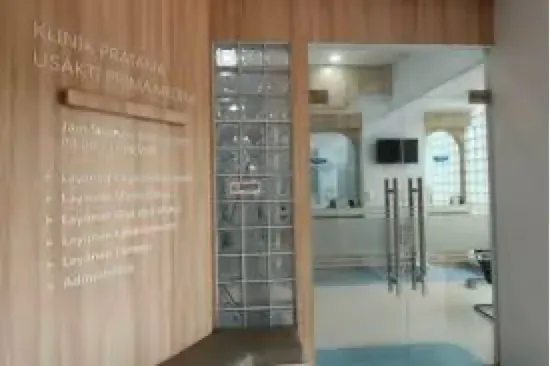
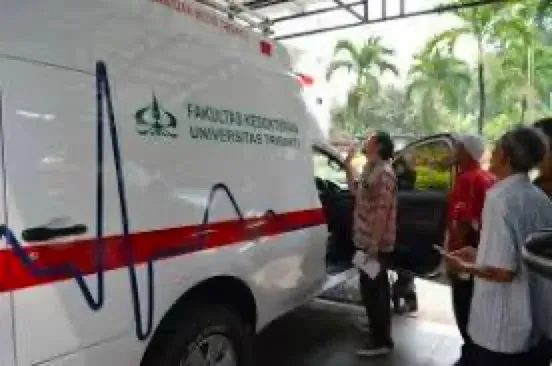
ASIP 2026 Venue

Universitas Trisakti, Jakarta